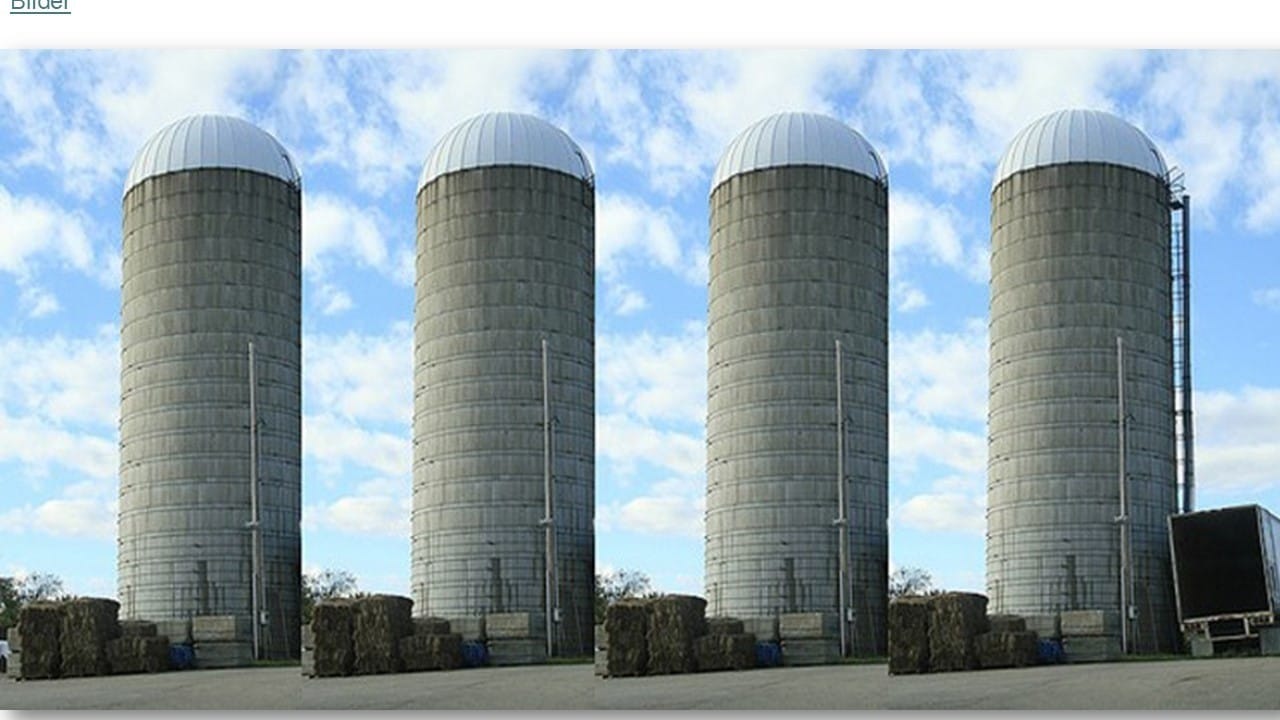
Kalle reflects on Silo Thinking in Context of Los Angeles on Fire, Climate and War.
Kalle Reflects on Silo thinking in context of Los Angeles on Fire, Climate, and War
Takeaway for leaders at all levels everywhere
The wars now shaping the Western world have intensified a problem I and many others warned about from the start: silo thinking. When debates, decisions, and media coverage retreat into isolated compartments—war here, climate there—society misses the essential connections that could lower risks, align interests, and unlock smarter strategies. Yesterday’s Swedish morning news, January 11, 2025, compressed the issue into a single broadcast. A climate expert and Sweden’s new Commander in Chief were interviewed back-to-back. Each spoke in a narrow domain; neither was invited—or prepared—to build bridges across them. That is exactly how silo thinking persists, and how opportunities for security, innovation, and sustainability are squandered.
Silo thinking on screen: fires, climate, and a war footing
The first guest, a recognized climate researcher, contextualized Los Angeles’ devastating fires as a harbinger of a warming world—worse disasters to come unless we “react” and invest in the necessary responses. That is true, but incomplete. Little was said about how to react: how stepwise, strategic choices can lower costs, strengthen competitiveness, and move industries and communities toward attractive, sustainable futures. The missing piece is Strategic Sustainable Development—an approach that turns climate action into a driver of economic performance rather than a mounting ledger of costs. Without it, each silo experiences rising expenses because the system as a whole remains poorly designed.
The second guest—Sweden’s new Commander in Chief—spoke of preparing Sweden for war, leading if necessary, and framed the landscape as friends versus enemies, with the United States as ally and Russia as foe. The interviewer gestured toward geopolitics, even mentioning Donald Trump and NATO, but the conversation stayed narrowly martial. This, too, was a lost chance: to explain how military expertise can be informed—not replaced—by diplomacy, psychology, energy security, and the economics of resource dependency. Such intersections are not distractions from defense; they are the foundations of durable security.
More in detail:
What “reacting” should mean: strategy beyond the silos
When climate experts call for action, the question is not only how much to spend but how to spend wisely. Silo thinking frames climate as a cost center and war as an insurance policy. A systemic perspective does the opposite: it aligns climate resilience with competitiveness, social stability, and national security. That means policies and investments that:
– Incentivize energy independence through renewables and storage
– Build infrastructure that reduces disaster risk and long-run public spending
– Accelerate innovation ecosystems capable of exporting solutions
– Integrate military, industrial, and environmental planning to avoid costly conflicts and bottlenecks
These are not abstract aims. They are concrete levers for reducing long-term risk while strengthening the economy—exactly the outcomes that silo thinking makes harder to achieve.
Warfare without context: resource imperialism and security
A core driver of conflict—past and present—is resource imperialism: the strategic pursuit of energy, minerals, arable land, and water. A modern Commander in Chief should be fluent in this history and its implications. National security today hinges on sustainable resource management at home: resilient food systems, reliable electricity, and reduced exposure to volatile import chains, especially from authoritarian suppliers. When national strategy separates military readiness from resource governance, it inflates risk on both fronts and misreads the causes of war.
The military–climate standoff: wind power as security infrastructure
Sweden’s heated debate over wind power illustrates the problem. Some in the military oppose turbine siting because installations “stand in the way of air fighters.” Meanwhile, industry seeks rapid expansion of renewables to lower costs, reduce dependence on shrinking fossil reserves, and minimize exposure to geopolitical shocks. Framed as an either-or, the conflict devolves into a turf war. Framed systemically, wind power is core security infrastructure—reducing reliance on imported fuels and buffering society against price spikes and supply coercion. The right question is not whether air defense or wind power prevails, but how siting, technology, and operations are coordinated so both can thrive. This is exactly the kind of integration silo thinking prevents.
Why silo thinking is more dangerous now
Some may ask whether the military must really wrestle with climate, resources, and social trust. In a world of unprecedented industrial capacity, financial scale, and media reach, the answer is unequivocally yes. Human folly—vanity, greed, aggression—has always existed. What has changed is the leverage of our systems. Poorly designed societies amplify ecological collapse and social fragmentation at speeds and scales unknown in history, putting the world at the edge of social and ecological chaos. With such power comes greater responsibility: to learn from history, heed science, and pursue Strategic Sustainable Development as a governing mindset.
Lessons from islands—and a shared planet
History is full of “island” parables, like Easter Island, where shrinking resources, rivalry, and short-term status contests spiraled into societal breakdown. Our modern world operates as one large island: Earth, without an escape hatch. Many isolated communities have also succeeded—cultivating traditions of reciprocity, stewardship, and conflict resolution that sustained them for centuries. The choice before contemporary leaders mirrors those outcomes. Will we escalate competition over dwindling resources, or build institutions that stabilize relationships—with neighbors and with nature?
From critique to capability: cross-silo leadership and AI support
To help leaders move beyond critique to capability, FSSD Global is developing an open-source, AI-assisted platform for cross-silo knowledge management. The goal is practical: to make it easier for decision-makers to integrate climate science, military planning, economic strategy, and social dynamics into coherent, testable pathways toward peace, resilience, and prosperity. Sustainable leadership is not wishful thinking; it is disciplined design under uncertainty—and it can be taught, scaled, and continuously improved.
Silo thinking will not solve fires in Los Angeles, prevent wars, or restore social trust. Only integrated, strategic approaches can do that—approaches that connect climate resilience with national security, innovation with inclusion, and near-term choices with long-term viability. The time to replace silo thinking with systemic leadership is now.
All hot topic Reflections are direct consequences of our Operative System.
For a deeper dive into the science behind the Operative System that informs all Reflections, see the peer-reviewed Open-Source paper with all its references: doi.org/10.1002/sd.3357. For the full title, see footnote below.
Or, for concluding reflections, practical insights and training, click on “Kalle Reflects” to see all reflections.
If you need any further advice, perhaps getting some further references, please send a question to us from the homepage.
Footnote: Broman, G. I., & Robèrt, K.-H. (2025). Operative System for Strategic Sustainable Development―Coordinating Analysis, Planning, Action, and Use of Supports Such as the Sustainable Development Goals, Planetary Boundaries, Circular Economy, and ScienceBased Targets. Sustainable Development, 1C16.