Kalle reflects on the psychology of ABCD-in-Funnel workshops
Key takeaway for leaders, facilitators and co-creators at all levels everywhere
Effective ABCD-in-Funnel workshops depend on two human factors:
- A skilled moderator who can turn methodology into psychological craftsmanship.
- A genuine top management, taking active part in ABCD workshops to help set direction, legitimacy and provide resources for real change.
When these two conditions are met, the ABCD method (see www.fssd.global) becomes a powerful engine for strategic sustainable development.
1. How to Moderate ABCD Conversations
The moderator’s psychological role is key.
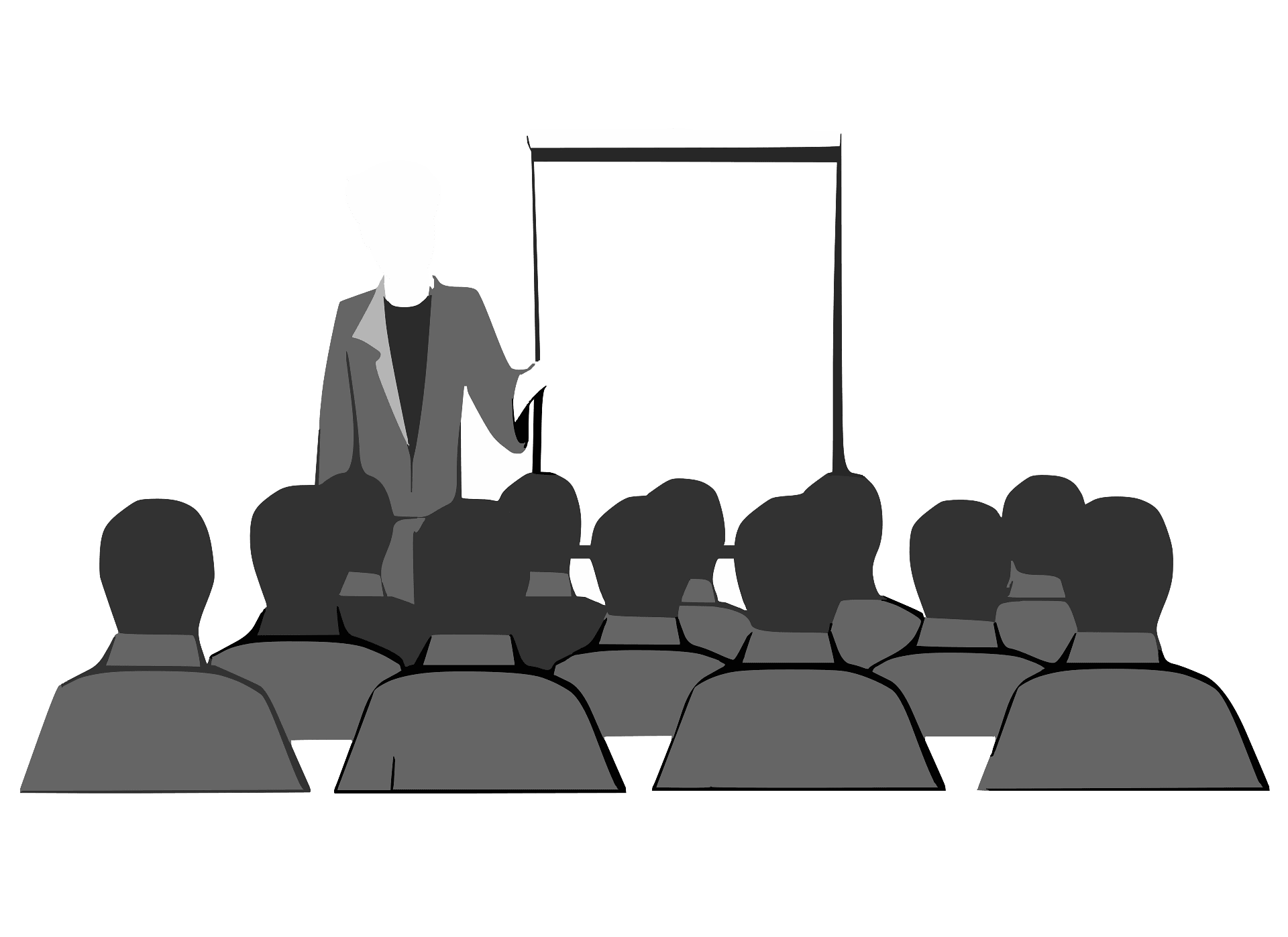
Stand at the whiteboard and guide the flow.
Let ideas move freely between A, B, C, and D. This mirrors how neural networks generate insight.
Listen carefully and take short notes where they belong under A, B, C, and D respectively. In this way the logic of ABCD is trained by being used.
For each contribution from participants:
- capture it in very short telegram‑style text and place it where it belongs,
- confirm quickly that it reflects the idea accurately for the report that will follow,
- and move on in a continuous ping‑pong of ideas triggering more ideas.
An example of the ping-pong flow
A challenge noted under A may inspire a solution idea under C,
which someone points at already existing in small scale under B,
which may lead to a new proposal for scaling it up under C and perhaps D.
which someone points at already existing in small scale under B,
which may lead to a new proposal for scaling it up under C and perhaps D.
This ping‑pong flow is the core of ABCD intelligence.
Enable the group to self‑organize its thinking this way.
Once participants understand the ABCD structure of the “game”, they generate and correct ideas collectively and more and more fluently as the “game unfolds”.
Your role as moderator is to safeguard:
- the logic and flow of placing ideas where they belong in the “ABCD‑in‑the‑Funnel” process,
- the psychological safety needed for free fearless association in the group.
An idea may be excellent even if it is proposed under the “wrong” letter. Simply say “excellent” and put it where it belongs. - Avoid early “correct/incorrect” judgments — they block creativity and system understanding.
- The moderator is often asked by the group what he or she thinks about a proposal. The best thing that can happen then, is if the moderator responds inclusively, and with examples what has happened elsewhere: “That is a good question, this is how they did it and this is how this region did it”. When that inclusive dialogue style is done well, the “corrections” arise within the group itself, making the process much more valuable and informative for learning.
2. Breakouts: When and How to Use Them
Breakouts help participants express doubts and develop more innovative proposals. Some people are more introverted and reflective, making breakouts into smaller groups convenient for active participation and practice.
Breakouts may be formally planned or, alternatively, stimulated to arise spontaneously as “beehive” conversations in pairs or trios even in very large lecture rooms.
Guidelines for productive breakouts
- Let people choose their own tables or clusters.
This supports networking between colleagues who like to co-create since before, as well as continued collaboration between team-mates after the workshop. - Each table has a chairperson who keeps time and takes brief notes.
- After breakout sessions, reconvene in plenum.
The moderator guides the dialogue again — not a series of table presentations on flip‑charts and the like. - Collect:
- table notes,
- plenum notes,
- all scribbles.
Outcome
A single integrated draft is created, representing the whole group as one collective brain.
This draft goes to all participants for comments → then a final version is distributed before the next workshop.
3. Follow‑ups: Keeping the ABCD Process Alive
Invite participants back by explicitly linking workshops over time. For example:
“Dear participant of the previous ABCD workshop…
Next week we reconvene to explore what has been done under D since last time, what new problems have surfaced under B, and what this means for our next round of ABCD.”
Next week we reconvene to explore what has been done under D since last time, what new problems have surfaced under B, and what this means for our next round of ABCD.”
This keeps momentum and ensures continuous strategic learning.
Finished — and ready to implement!
No more:
- nervous spokespeople by flip-charts,
- un‑rehearsed flip‑chart presentations that nobody reads,
- interrupted listening,
- fragmented documentation.
Instead:
A unified, generative, psychologically intelligent workflow for strategic sustainable development.
A unified, generative, psychologically intelligent workflow for strategic sustainable development.
Try it!
Karl-Henrik Robèrt
Professor
Blekinge Institute of Technology
Campus Gräsvik,Valhallavägen 1
SE-371 79 Karlskrona, Sweden
Phone: +46 455385000
Blekinge Institute of Technology helps you take strategic steps toward sustainability!
Research for Real Change | Training for Leaders | Coaching for Role Models | A Movement for Change